
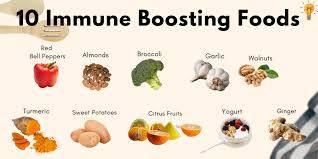
A well-functioning immune system depends on many factors, and nutrition is one of the most important. While no single food can “boost” immunity instantly, a consistent, balanced diet can help support normal immune function over time.
A good starting point is to focus on whole, minimally processed foods. Fruits and vegetables are especially valuable because they provide vitamins, minerals, and antioxidants. For example, citrus fruits, berries, leafy greens, and carrots are commonly included in healthy eating patterns. These foods contain nutrients like vitamin C, beta-carotene, and flavonoids, which play roles in overall health.
Protein is another essential component. The body uses protein to build and repair tissues, including those involved in immune defense. Sources such as fish, eggs, beans, lentils, nuts, and lean meats can be part of a balanced diet. Plant-based proteins are also a great option and often come with added fiber and micronutrients.
Healthy fats should not be overlooked. Foods like olive oil, seeds, nuts, and avocados contain fats that are important for the body’s normal processes. Some fats, such as omega-3 fatty acids found in fatty fish, are associated with supporting overall wellness.
Hydration also plays a key role. Water helps the body function properly, including supporting circulation and nutrient transport. Drinking enough fluids daily is a simple yet effective habit.
It is also helpful to limit excessive intake of highly processed foods, added sugars, and trans fats. These do not provide the same nutritional value and may displace healthier options in your diet.
In summary, supporting your immune system through nutrition is about consistency rather than quick fixes. A varied, balanced diet combined with healthy habits can contribute to overall well-being and help your body function as it should.